Fireplace Repair Before Winter Is Worth Planning
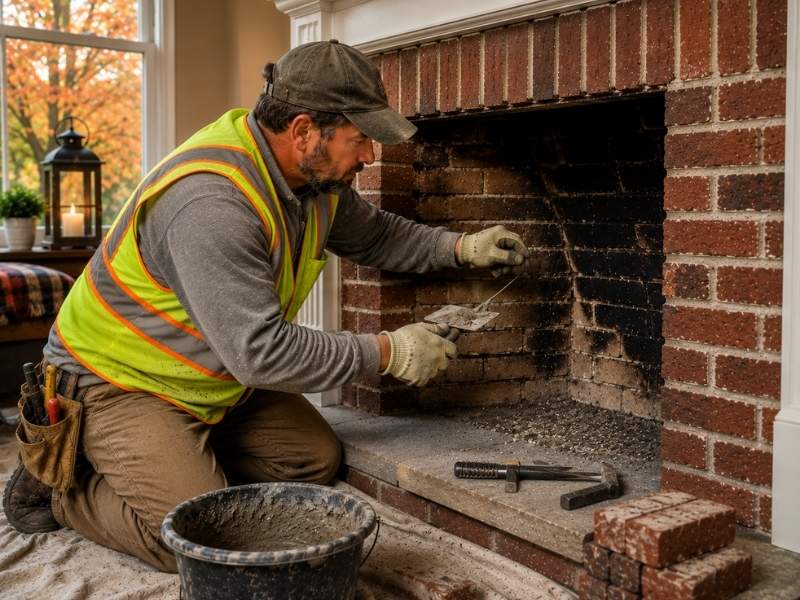
The best time to handle fireplace repair is before the cold weather arrives, not in the middle of it. A fireplace sits unused for months, and small problems can hide until the first fire of the season exposes them. Planning repairs in early fall gives you time to fix issues before you rely on the fireplace for warmth. It also means you’re not scrambling for help during the busy winter rush. A little planning now buys a safe, worry-free heating season.
Here’s why it pays to get ahead of it.
Look for Damage Before You Use It
A careful look before the first fire can catch trouble early. Months of sitting idle, plus summer humidity, can loosen brick and open small cracks you didn’t notice in spring. Scan the firebox, the surround and the visible mortar for anything that looks off.
Cracked mortar is the most common find. Thin gaps in the joints let heat and gas reach places they shouldn’t, so they deserve attention before you light a fire. Loose or chipped brick is another red flag worth marking down.
Don’t rush the inspection. Good light and a slow look turn up problems that a quick glance misses. Spotting damage now, before heavy use, is far better than discovering it once the fire is roaring.
Fix Small Repairs Early
Timing is everything with fireplace repairs. A small crack or a bit of loose mortar is quick to fix in the fall, but the same problem grows once you’re running fires through winter. Heat and cold work on small flaws and make them spread.
Early repairs also cost less. Repointing a few joints or resetting a loose brick is minor work compared to rebuilding a firebox later. Waiting until a small issue becomes a structural one turns a cheap fix into an expensive one.
There’s a safety reason to move early too. Cracks and gaps near the fire can let heat or fumes escape where they shouldn’t. Closing those up before the season starts keeps the fireplace both efficient and safe to use.
Check the Parts That Get the Most Heat
The areas that take the most heat are the ones most likely to need repair. The firebox, where the fire actually burns, faces extreme temperatures that slowly break down brick and mortar. Look closely here for cracked joints, gaps or crumbling spots.
The chimney and flue carry heat and smoke up and out, so they take a beating too. Cracks in the flue or a damaged chimney crown can let heat or water reach places that cause real damage. These spots are worth a professional look, since much of the chimney hides from view.
Mortar joints throughout the firebox earn special attention. They expand and contract with every fire, which slowly works them loose. Solid joints here keep the firebox sealed and the heat where it belongs.
Keep Your Fireplace in Good Shape
Steady care through the season keeps a fireplace working well. Clearing out ash and soot after fires keeps the firebox clean and makes problems easier to spot. A buildup of soot can hide a forming crack until it’s worse.
Watch for changes as you use it. A fire that suddenly smokes into the room, a strange smell or fresh staining can signal a developing problem. Catching these signs early lets you handle a repair before the next cold spell.
Keep the area around the fireplace clean and clear too. Wiping down the surround and hearth keeps soot from settling into the brick. A clean fireplace is easier to inspect and simply more pleasant to use.
Make Repairs Part of Home Care
The simplest way to avoid winter surprises is to make fireplace care a yearly habit. Booking a professional inspection once a year, ideally before heating season, catches hidden problems in the chimney and firebox. Safety guidelines call for at least one inspection a year for exactly this reason.
Pair that yearly check with your own seasonal look. A quick inspection each fall, plus attention to any change during use, covers most issues between professional visits. Together they keep small repairs small.
Treated this way, fireplace repair becomes routine instead of an emergency. You head into winter knowing the fireplace is ready, and you skip the stress of a breakdown on the coldest night. That peace of mind is worth the small effort.
Frequently Asked Questions
What are the signs I need fireplace repair?
Watch for cracked or crumbling mortar, loose or chipped brick and white staining on the surface. Smoke pushing into the room or a strong odor when you light a fire are warning signs too. Any of these means it’s worth a closer look before regular use.
Can cracked mortar be repaired?
Yes, a mason repairs cracked mortar by repointing, which means removing the damaged material and packing in fresh mortar. Done early, it seals the joint and stops heat or water from spreading the damage. It’s a routine fix when handled before the cracks grow.
Why should the chimney be inspected?
The chimney hides much of its length from view, so problems like cracks, blockages or creosote buildup go unseen. An inspection checks that smoke and heat can exit safely and that nothing flammable has collected inside. This is as much a safety step as a repair one.
How often should a fireplace be checked?
Have a fireplace inspected at least once a year, ideally before you start using it for the season. A fall check leaves time to fix anything found before the cold sets in. Add your own quick look whenever you notice a change while using it.
Can small repairs prevent bigger damage?
Absolutely, since most major fireplace damage starts as a small, ignored crack. Sealing a minor gap or resetting one brick stops heat and water from working deeper. Handling little repairs early is the cheapest way to avoid a major rebuild.