Painted Brick Peeling Near the Ground May Point to a Moisture Path
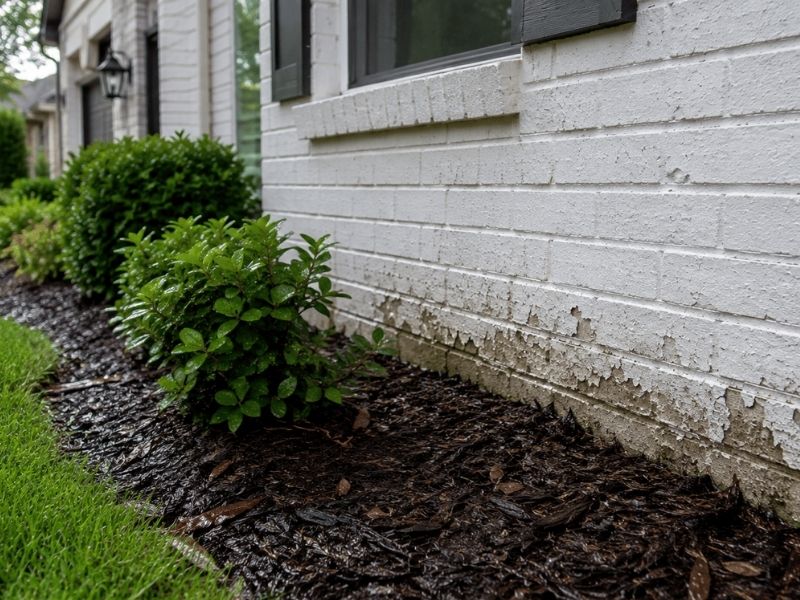
You painted the brick a few years back. Now the paint near the ground is flaking or curling away, while the brick higher up still looks fine. When painted brick peels low on the wall and holds up top, water near the soil is usually the reason. Around Frisco, where clay soil holds moisture and lawns get watered often, the bottom rows stay damp longest. The peeling is the symptom, and the moisture path underneath is the real problem.
Why Paint Usually Fails First Along the Bottom Rows of Brick
Paint peels near the ground first because that is where brick meets the most water. Rain splashes back from the soil onto the lower courses. Sprinklers hit the same spot each morning. If the yard slopes toward the house, water sits against the base and soaks in. Brick is porous, so it holds that moisture.
The shape of the damage helps too. An even band of peeling a foot or two up usually means water is wicking upward from wet soil. Patchy flaking near a downspout or spigot points to splash. Higher brick dries between rains, but the bottom rows rarely get that chance.
Hidden Moisture Paths That Keep Feeding Paint Failure
Some water sources are easy to miss, and they keep the wall wet long after you repaint, so a fresh coat fails again. Before you touch a scraper, walk the base of the wall and look for these:
- Weep holes packed with dirt, paint or mortar, so trapped water cannot drain
- Mulch or flower beds piled against the brick, holding damp soil on the wall
- A hose bib that drips and keeps one section wet
- Flashing that is bent, cracked or missing, letting water slip behind the brick
- Downspouts that dump rain at the foundation instead of carrying it away
Finding the path matters far more than the paint. Trace the water to its source, fix that, and the paint has a real chance of holding.
What Efflorescence Reveals About Moisture Behind Painted Brick
Those white, chalky stains have a name: efflorescence. They form when water moves through the masonry, picks up salts, and carries them to the surface, then evaporates and leaves the powder behind. So efflorescence is proof that water is traveling through the wall.
You will often spot these deposits before or alongside peeling paint. Both point to moisture on the move. Scrubbing off the powder or painting over it does nothing about the water feeding it. Check the source before any cosmetic work.
Why Masonry Repairs Should Come Before Surface Preparation
Repairs to the brick and joints come first, before any scraping or priming. Close off the water entry points you found, whether that means regrading the soil, clearing weep holes or fixing flashing. Repair cracked brick and crumbling joints. Then let the wall dry out.
Drying takes weeks, not days. A moisture meter helps, or tape a square of clear plastic to the brick and check for condensation a day later. Wait until the wall reads dry to start painting. Skip this order and you seal fresh paint over a damp wall, which pushes the coating right back off.
How Frisco Homes Benefit From Early Moisture Investigations
Frisco homes face conditions that keep lower brick damp. Seasonal storms drop heavy rain fast. The expansive clay soil swells when wet and shrinks when dry, which shifts grading and cracks joints over time. Add regular lawn irrigation, and the base of the wall rarely dries fully.
Catching the moisture path early keeps a small paint problem from becoming a bigger repair. Damp brick left alone can spall, where the face flakes off, along with joint and interior damage. Sloping the soil so it drops about six inches over the first ten feet away from the house sends water where it belongs.
Frequently Asked Questions
Why is painted brick peeling only near the bottom of my house?
The bottom rows take on the most water. Rain splashes up from the soil, sprinklers wet the same area, and damp ground lets moisture wick into the porous brick. Higher brick dries between rains, so its paint holds and the lower section fails.
Can efflorescence cause paint to peel off brick?
Not on its own, but it signals the same problem that does. Those white salt deposits mean water is moving through the wall, and that moving water breaks down the paint film.
Should peeling paint be removed before fixing the moisture problem?
Fix the moisture first. Strip and repaint while the wall stays wet, and the fresh coat peels again within a season. Trace the water source, stop it, and dry the brick before dealing with the old paint.
How can I tell where moisture is getting into my brick wall?
Look at the pattern. An even band of peeling suggests rising damp from wet soil. Flaking near a downspout or spigot points to splash or a leak. Check for clogged weep holes, mulch against the wall and grading that tilts toward the house.
Is it better to repair the brick before repainting my home’s exterior?
Yes. Repairing cracked brick and open joints closes off water paths, and drying afterward gives paint a stable surface. Repainting first only hides the damage while moisture keeps working behind the coating.