Retaining Wall Drainage Problems That Lead to Early Failure
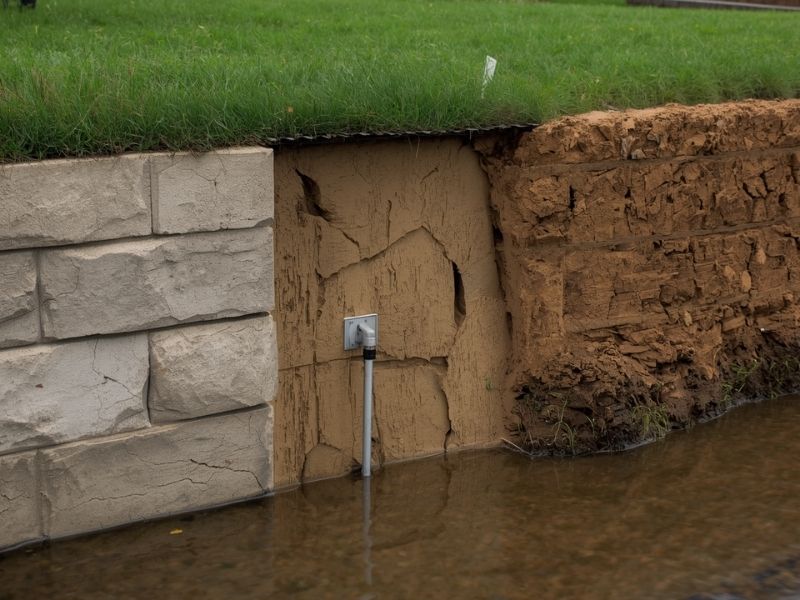
A retaining wall looks simple. Stack the blocks, build it strong, done. But most retaining wall failures have nothing to do with the blocks themselves. They come from water trapped behind the wall with nowhere to go.
In Frisco, where clay soil and heavy seasonal rain are both common, drainage mistakes show up faster than in many other parts of Texas.
A retaining wall fails from the inside out, usually because of trapped water. Good drainage design matters more than the material or the height of the wall itself.
Why Water Is the Real Enemy of a Retaining Wall
A retaining wall holds back soil, and soil holds water. When rain falls, that water soaks into the ground behind the wall. If it has nowhere to escape, it builds up pressure against the wall’s back side.
This pressure, called hydrostatic pressure, is far stronger than most people expect. Enough water buildup can push a wall forward, crack it, or tip it over completely, even if the wall was built with solid materials.
The Gravel Backfill Mistake That Causes Early Problems
Every retaining wall needs proper backfill material behind it, usually crushed gravel that lets water drain down and away instead of soaking into the soil and pushing against the wall.
Common backfill mistakes include:
- Using native clay soil as backfill instead of gravel
- Not compacting the gravel layer properly during construction
- Backfilling too thin a layer, leaving water with no clear path to drain
Clay soil, especially the kind common in North Texas, holds water instead of letting it pass through. Using it as backfill turns the area right behind the wall into a sponge that stays saturated after every rain.
Missing or Clogged Drainage Pipes
Most retaining walls need a drainage pipe running along the base, often called a French drain, to carry collected water away from the structure.
Signs this system has failed or was never installed correctly include:
- Water seeping through the wall face after rain, rather than draining away underground
- Damp or soggy soil at the base of the wall long after a storm has passed
- Visible staining or efflorescence on the wall’s lower sections
A drainage pipe that gets clogged with dirt or debris over time stops working just as effectively as one that was never installed. Regular inspection catches this before it becomes a bigger problem.
Why Weep Holes Matter More Than They Look
Weep holes are small gaps built into the face of a retaining wall, giving water an escape route instead of letting it build up behind the structure.
Problems with weep holes usually include:
- Too few holes for the wall’s height and length
- Holes clogged with dirt, roots, or debris over time
- Poor placement that doesn’t line up with the actual water flow behind the wall
A wall with working weep holes will show small trickles of water after a storm. A wall with blocked or missing weep holes may show no water at all right after rain, which sounds fine but often means the water is trapped and building pressure instead.
How Grading Around the Wall Affects Long-Term Performance
The ground surface above and around a retaining wall needs to slope in a way that carries water away, not toward the wall.
Poor grading often shows up as:
- Water pooling at the top of the wall after rain
- Soil erosion channels running toward the wall from higher ground
- Standing water in the yard above the wall for hours after a storm
Even a well built wall with good internal drainage can struggle if the surface grading keeps sending more water toward it than the drainage system was designed to handle.
Signs Your Retaining Wall Already Has a Drainage Problem
Walk your property after a heavy rain and look for these warning signs:
- Visible bulging or leaning in the wall’s middle or upper sections
- Cracks running horizontally across multiple blocks or stones
- Water seeping through the wall face instead of draining underground
- Soil settling or sinking directly behind the top of the wall
- Persistent damp spots at the base that don’t dry out between rains
Catching these signs early usually means a repair. Ignoring them often means a full rebuild once the wall shifts too far to correct.
Fixing a Wall With an Existing Drainage Problem
Depending on how far the damage has progressed, a mason may be able to:
- Install or clear drainage pipes behind an existing wall without a full rebuild
- Add or unclog weep holes to relieve current pressure
- Regrade the soil above the wall to redirect surface water away
- Replace saturated backfill material with proper gravel in the affected section
Severe bulging or leaning usually means the wall has already moved too far, and a partial or full rebuild becomes the safer long-term fix.
What to Ask Before Building a New Retaining Wall
- What backfill material will you use, and how deep will that layer be?
- Will this wall include a drainage pipe, and where will it discharge?
- How many weep holes will the design include, and where will they be placed?
- How will the grading above the wall direct water away from the structure?
- What is your plan for inspecting or maintaining the drainage system after construction?
Frequently Asked Questions
What Causes Most Retaining Wall Failures?
Trapped water behind the wall is the most common cause. When drainage is not properly designed, water pressure builds against the structure over time, leading to bulging, cracking, shifting, or complete failure.
How Do I Know If My Retaining Wall Has a Drainage Problem?
Common warning signs include bulging sections, horizontal cracks, water seeping through the wall face, or soil settling behind the top of the wall. These issues often indicate that water is trapped and pressure is increasing behind the structure.
Can a Retaining Wall Drainage Problem Be Fixed Without Rebuilding the Entire Wall?
Sometimes. If the problem is identified early, solutions such as installing drainage pipes, clearing blocked weep holes, or improving grading above the wall may reduce pressure. However, severe leaning, cracking, or structural movement may require partial or complete reconstruction.
Why Is Clay Soil a Problem for Retaining Wall Drainage?
Clay soil retains water rather than allowing it to drain freely. When used as backfill behind a retaining wall, it can trap moisture, increase hydrostatic pressure, and contribute to long-term wall failure.
How Often Should a Retaining Wall’s Drainage System Be Inspected?
A retaining wall drainage system should be checked at least once a year and after major storms. Regular inspections help identify clogged weep holes, damaged drainage pipes, or water buildup before they cause serious structural issues.