Retaining Wall Drainage Problems That Lead to Early Failure

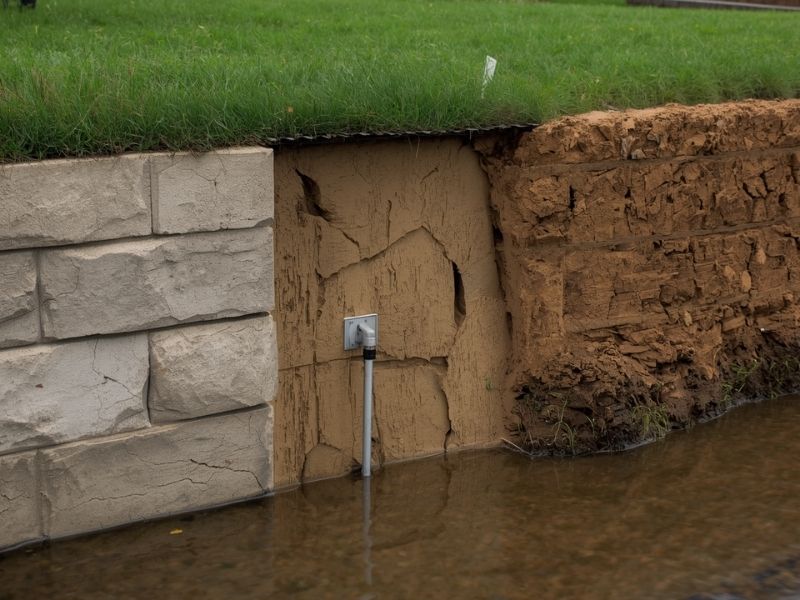
Retaining wall drainage failure showing water buildup, cracked soil, and erosion caused by trapped moisture behind the wall

A retaining wall looks simple. Stack the blocks, build it strong, done. But most retaining wall failures have nothing to do with the blocks themselves. They come from water trapped behind the wall with nowhere to go.

In Frisco, where clay soil and heavy seasonal rain are both common, drainage mistakes show up faster than in many other parts of Texas.

A retaining wall fails from the inside out, usually because of trapped water. Good drainage design matters more than the material or the height of the wall itself.

Why Water Is the Real Enemy of a Retaining Wall

A retaining wall holds back soil, and soil holds water. When rain falls, that water soaks into the ground behind the wall. If it has nowhere to escape, it builds up pressure against the wall’s back side.

This pressure, called hydrostatic pressure, is far stronger than most people expect. Enough water buildup can push a wall forward, crack it, or tip it over completely, even if the wall was built with solid materials.

The Gravel Backfill Mistake That Causes Early Problems

Every retaining wall needs proper backfill material behind it, usually crushed gravel that lets water drain down and away instead of soaking into the soil and pushing against the wall.

Common backfill mistakes include:

  • Using native clay soil as backfill instead of gravel
  • Not compacting the gravel layer properly during construction
  • Backfilling too thin a layer, leaving water with no clear path to drain

Clay soil, especially the kind common in North Texas, holds water instead of letting it pass through. Using it as backfill turns the area right behind the wall into a sponge that stays saturated after every rain.

Missing or Clogged Drainage Pipes

Most retaining walls need a drainage pipe running along the base, often called a French drain, to carry collected water away from the structure.

Signs this system has failed or was never installed correctly include:

  • Water seeping through the wall face after rain, rather than draining away underground
  • Damp or soggy soil at the base of the wall long after a storm has passed
  • Visible staining or efflorescence on the wall’s lower sections

A drainage pipe that gets clogged with dirt or debris over time stops working just as effectively as one that was never installed. Regular inspection catches this before it becomes a bigger problem.

Why Weep Holes Matter More Than They Look

Weep holes are small gaps built into the face of a retaining wall, giving water an escape route instead of letting it build up behind the structure.

Problems with weep holes usually include:

  • Too few holes for the wall’s height and length
  • Holes clogged with dirt, roots, or debris over time
  • Poor placement that doesn’t line up with the actual water flow behind the wall

A wall with working weep holes will show small trickles of water after a storm. A wall with blocked or missing weep holes may show no water at all right after rain, which sounds fine but often means the water is trapped and building pressure instead.

How Grading Around the Wall Affects Long-Term Performance

The ground surface above and around a retaining wall needs to slope in a way that carries water away, not toward the wall.

Poor grading often shows up as:

  • Water pooling at the top of the wall after rain
  • Soil erosion channels running toward the wall from higher ground
  • Standing water in the yard above the wall for hours after a storm

Even a well built wall with good internal drainage can struggle if the surface grading keeps sending more water toward it than the drainage system was designed to handle.

Signs Your Retaining Wall Already Has a Drainage Problem

Walk your property after a heavy rain and look for these warning signs:

  1. Visible bulging or leaning in the wall’s middle or upper sections
  2. Cracks running horizontally across multiple blocks or stones
  3. Water seeping through the wall face instead of draining underground
  4. Soil settling or sinking directly behind the top of the wall
  5. Persistent damp spots at the base that don’t dry out between rains

Catching these signs early usually means a repair. Ignoring them often means a full rebuild once the wall shifts too far to correct.

Fixing a Wall With an Existing Drainage Problem

Depending on how far the damage has progressed, a mason may be able to:

  • Install or clear drainage pipes behind an existing wall without a full rebuild
  • Add or unclog weep holes to relieve current pressure
  • Regrade the soil above the wall to redirect surface water away
  • Replace saturated backfill material with proper gravel in the affected section

Severe bulging or leaning usually means the wall has already moved too far, and a partial or full rebuild becomes the safer long-term fix.

What to Ask Before Building a New Retaining Wall

  • What backfill material will you use, and how deep will that layer be?
  • Will this wall include a drainage pipe, and where will it discharge?
  • How many weep holes will the design include, and where will they be placed?
  • How will the grading above the wall direct water away from the structure?
  • What is your plan for inspecting or maintaining the drainage system after construction?

Frequently Asked Questions

What Causes Most Retaining Wall Failures?

Trapped water behind the wall is the most common cause. When drainage is not properly designed, water pressure builds against the structure over time, leading to bulging, cracking, shifting, or complete failure.

How Do I Know If My Retaining Wall Has a Drainage Problem?

Common warning signs include bulging sections, horizontal cracks, water seeping through the wall face, or soil settling behind the top of the wall. These issues often indicate that water is trapped and pressure is increasing behind the structure.

Can a Retaining Wall Drainage Problem Be Fixed Without Rebuilding the Entire Wall?

Sometimes. If the problem is identified early, solutions such as installing drainage pipes, clearing blocked weep holes, or improving grading above the wall may reduce pressure. However, severe leaning, cracking, or structural movement may require partial or complete reconstruction.

Why Is Clay Soil a Problem for Retaining Wall Drainage?

Clay soil retains water rather than allowing it to drain freely. When used as backfill behind a retaining wall, it can trap moisture, increase hydrostatic pressure, and contribute to long-term wall failure.

How Often Should a Retaining Wall’s Drainage System Be Inspected?

A retaining wall drainage system should be checked at least once a year and after major storms. Regular inspections help identify clogged weep holes, damaged drainage pipes, or water buildup before they cause serious structural issues.

How Much Does Brick Repair Cost in Frisco, TX?

If you’re wondering how much brick repair costs in Frisco, TX, most jobs fall between $500 and $2,500. If that feels like a wide range, it’s because Texas soil is rarely kind to masonry.

Most homeowners in Frisco deal with some level of brick repair over time, especially with how the soil shifts in North Texas. What starts as a small cosmetic crack can turn into a bigger structural issue if it’s ignored too long.

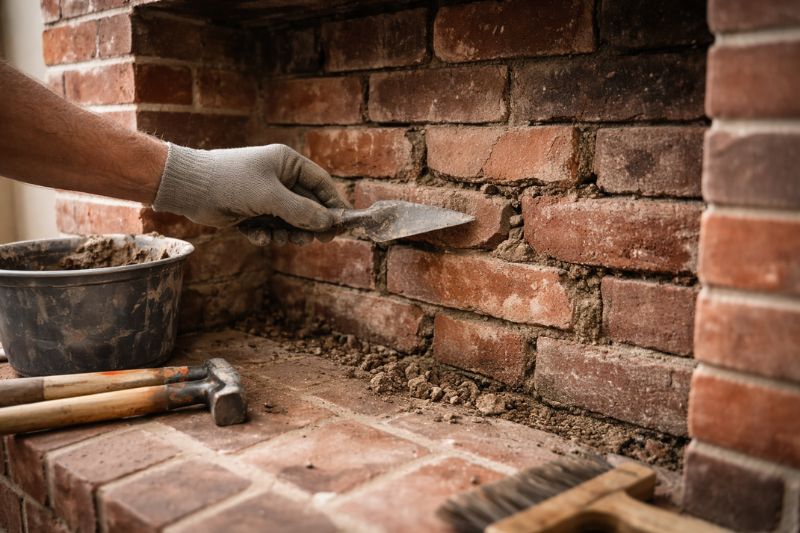
Brick fireplace repair with cracked mortar and damaged bricks in a Frisco TX home

The Price Breakdown

While every house is different, here’s what the local market looks like for typical Frisco repairs.

Repair TypeEstimated Cost
Minor Cracks$250 – $800
Tuckpointing (Mortar)$3 – $20 per sq ft
Brick Replacement$10 – $30 per sq ft
Mailboxes$150 – $750
Structural/Major Walls$2,000 – $6,500+

Why Frisco Prices Vary

The price of a job depends on more than just the number of bricks involved.

  • Foundation Movement: Since Frisco sits on heavy clay, masonry cracks are often a symptom of the ground moving. If your foundation is shifting, a simple patch won’t last.
  • The Match: On older homes, finding bricks that match the original color and texture takes extra time. If a contractor has to hunt down a specific discontinued brick, you’ll pay for that effort.
  • Accessibility: Fixing a first-floor garden wall is simple. Setting up scaffolding to reach a second-story chimney or a tight corner between houses adds to the labor bill.

Repair or Rebuild?

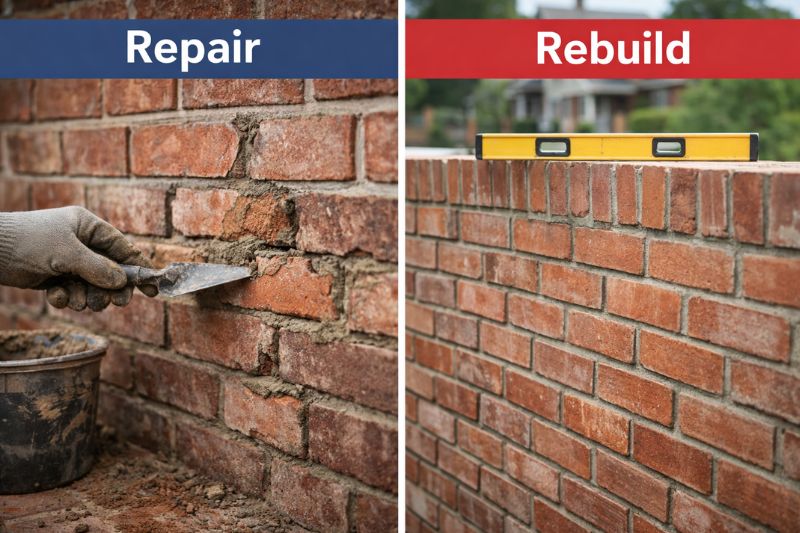
Side by side comparison of brick wall repair versus full rebuild showing damaged bricks and newly constructed wall in Frisco TX

Sometimes patching a wall is like putting a band-aid on a broken leg. If the damage is widespread or the wall is bulging, a full rebuild is often the smarter move. New brickwork typically costs between $20 and $50 per square foot, but it saves you from paying for the same repair again in two years.

How to Keep Costs Down

The best way to save money on masonry is to stop waiting. Small gaps in mortar let water in, which freezes, expands, and eventually pops the faces off your bricks.

Fix the small cracks now. If you see cracks running through multiple bricks or walls that look like they’re leaning,it’s worth having a local masonry contractor take a closer look. A general handyman might fill a gap with caulk, but a mason will actually fix the problem.

The Ultimate Guide to Outdoor Masonry Materials for Texas Climate

If you’re planning an outdoor project in Frisco TX, choosing the right masonry material is key. From patios and walkways to fireplaces and outdoor kitchens, the right material ensures durability, beauty, and longevity — even under the intense Texas sun, shifting soil, and occasional heavy rains.

In this guide, we’ll break down the most popular masonry materials, discuss their pros and cons, and explain which options work best for Texas homes.

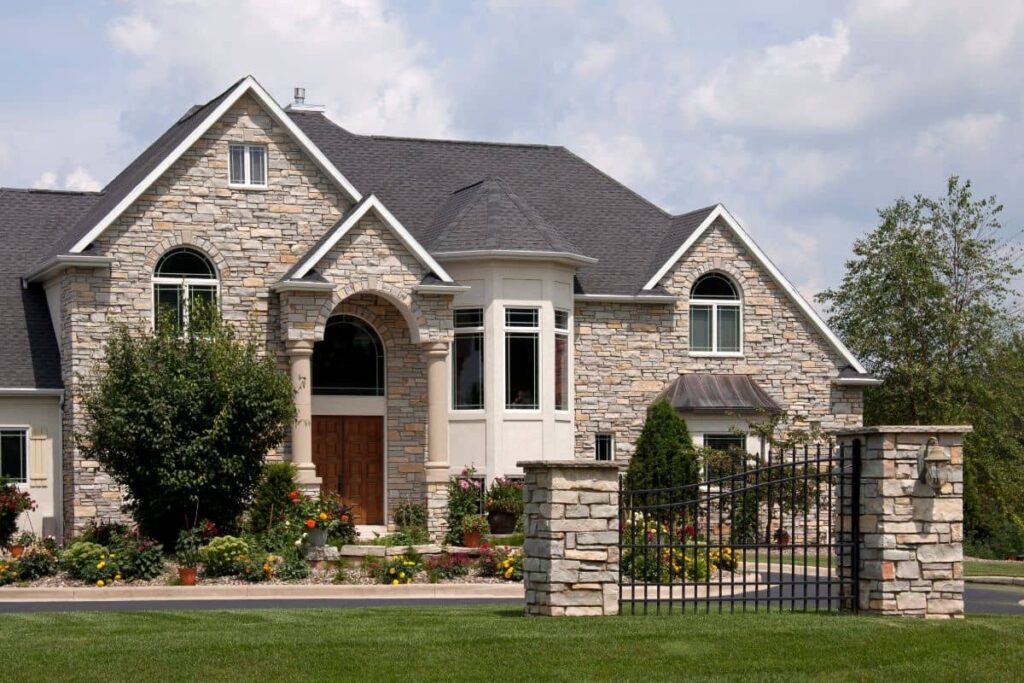
Custom stone and brick masonry on a Texas home in Frisco TX, built to withstand the Texas climate

Understanding Common Masonry Materials

1. Brick

Brick has been a classic masonry material for centuries. It’s durable, timeless, and works well for patios, walls, and fireplace surrounds.

Pros:

  • Long-lasting and resistant to wear
  • Can match existing home exteriors
  • Low maintenance

Cons:

  • Higher cost than some alternatives
  • Limited color options

Best Uses in Texas: Brick works great for patios, retaining walls, and outdoor fireplaces. It handles heat well but may require occasional sealing in humid areas.

2. Natural Stone (Limestone, Granite, Flagstone)

Natural stone is prized for its beauty and variety. Each stone is unique, offering a rustic or elegant look depending on your project.

Pros:

  • Unique textures and colors
  • Extremely durable
  • Low maintenance if sealed properly

Cons:

  • Can be expensive
  • Requires professional installation for best results

Best Uses in Texas: Stone patios, walkways, outdoor kitchens, and fire pits. Flagstone and limestone are especially popular for their natural heat resistance.

3. Manufactured Stone (Veneer)

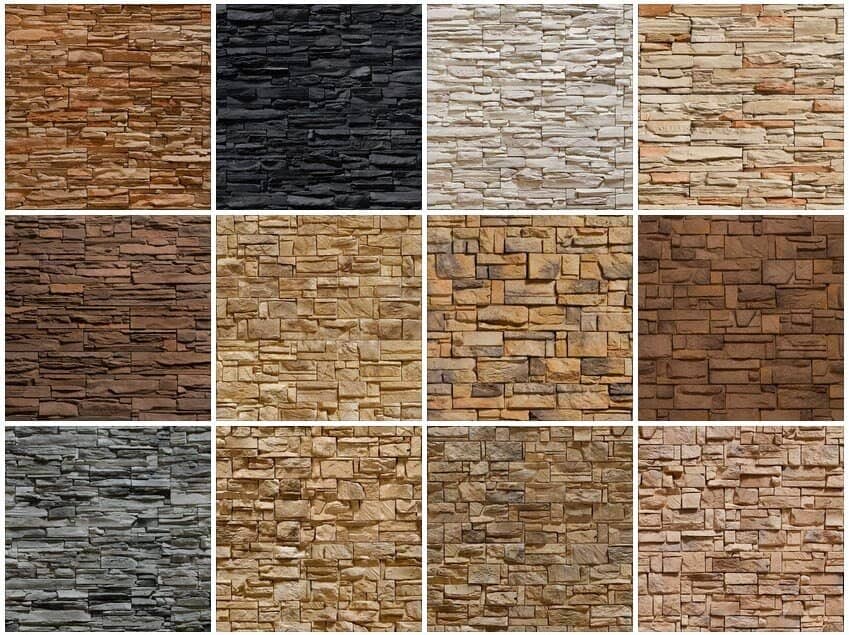
Manufactured stone provides the look of natural stone at a lower cost. It’s lightweight and flexible for decorative walls and facades.

Pros:

  • Cost-effective
  • Easy to install over existing surfaces
  • Wide range of colors and shapes

Cons:

  • Less durable than real stone in harsh conditions
  • Can chip or fade over time if not properly sealed

Best Uses in Texas: Accent walls, outdoor kitchen facades, and fireplace surrounds.

4. Concrete Pavers

Concrete pavers are versatile and affordable, offering many patterns and finishes. They’re commonly used for driveways, patios, and walkways.

Pros:

  • Flexible design options
  • Durable and strong
  • Can be replaced individually if damaged

Cons:

  • Can stain if not sealed
  • May shift over time if base isn’t properly prepared

Best Uses in Texas: Patios, walkways, and driveway edges where durability and style are important.

How Texas Climate Affects Masonry Choices

Texas has hot summers, occasional heavy rains, and soil expansion/contraction, which can damage poorly chosen materials.

Tips:

  • Use heat-resistant materials like natural stone and brick for patios and fireplaces
  • Ensure proper drainage to avoid erosion and water damage
  • Consider sealed surfaces for high humidity areas

Maintenance & Longevity

  • Brick & Stone: Sweep and wash annually, reseal every 3–5 years
  • Concrete Pavers: Clean stains, check for shifting
  • Veneer Stone: Inspect for chips, reseal as needed

Regular maintenance ensures your outdoor features last decades, even under harsh Texas conditions.

Design Ideas for Your Outdoor Space

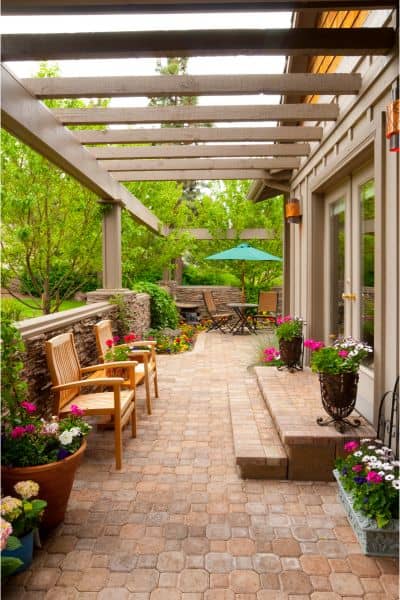
Outdoor patio and seating area with stone masonry and brick features in Frisco TX
  • Rustic backyard: Rubble stone fireplace + flagstone patio
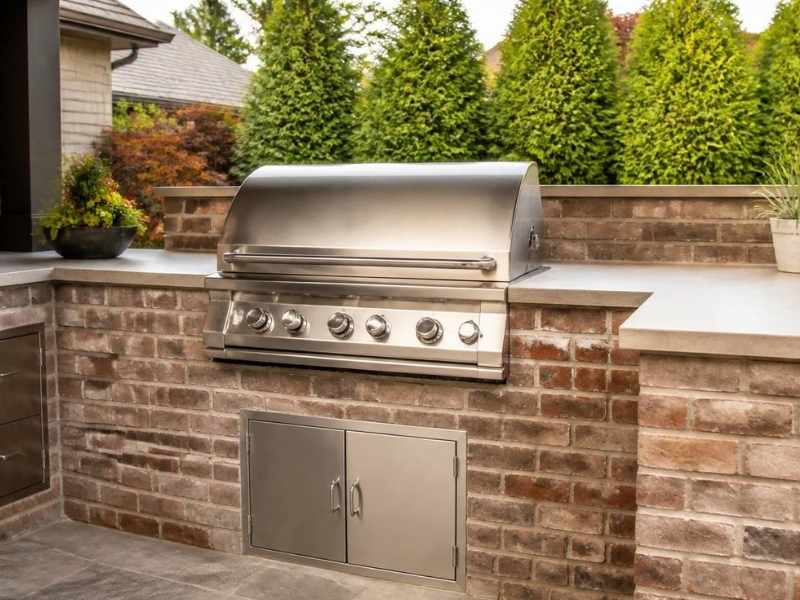
  • Modern outdoor kitchen: Sleek veneer stone with built-in grill
  • Classic entertaining space: Brick patio + outdoor fireplace + seating walls

FAQ

Q1: What is the best masonry material for outdoor projects in Frisco TX?

The best masonry material depends on your project and budget. Natural stone is durable and weather-resistant, brick offers classic appeal, and concrete pavers are versatile and cost-effective. All can withstand the Texas climate when installed properly.

Q2: How does the Texas climate affect masonry choices?

Hot summers, occasional heavy rains, and soil movement can affect masonry durability. Materials like stone and brick are ideal because they resist heat, weathering, and shifting soils common in Frisco TX. Proper installation and sealing also extend longevity.

Q3: How much does outdoor masonry cost in Frisco TX?

Costs vary based on material, size, and complexity.

  • Brick patios/walls: $12–$25 per sq ft
  • Stone patios/fireplaces: $20–$45 per sq ft
  • Concrete pavers: $10–$20 per sq ft
    Labor and design fees may increase total cost. Contact a local masonry expert for a precise estimate.

Q4: How do I maintain outdoor masonry in Texas?

Regular maintenance ensures durability:

  • Sweep and wash patios or walkways annually
  • Reseal stone or brick surfaces every 3–5 years
  • Inspect for cracks or shifting stones and repair promptly

Q5: Can I mix brick and stone in the same project?

Yes! Combining brick and stone adds visual interest and allows you to take advantage of each material’s strengths. Many homeowners in Frisco TX use stone for patios and fireplaces, with brick accents for walls or pathways.

Q6: Do I need a professional mason for outdoor projects?

While DIY is possible for small projects, professional masonry ensures:

  • Proper installation for durability
  • Materials suited for Texas climate
  • Structural integrity for fireplaces, retaining walls, and outdoor kitchens

Welcome to Frisco Brick & Stone

Frisco Brick & Stone specializes in stone masonry and brick masonry construction. Our expertise in masonry covers brickwork, block work, stonework, and all sorts of related products and applications. We serve the City of Frisco and the North Texas communities.

Call us at (469) 981-7757 to discuss your project.

What is Masonry Work?

Seamless Masonry Stone WallsMasonry is building structures from individual units, which are often laid in and bound together by mortar. Common materials of masonry construction are brick, natural stone (such as marble, granite, travertine, and limestone,) cast stone, concrete block, stucco, tile, and glass block. Masonry is a highly durable form of construction.

The strength and durability of masonry are affected by the materials used, the quality of the mortar, the workmanship, and the pattern in which they are assembled. A person who constructs masonry is called a mason, a brick mason, stone mason, or bricklayer.

Applications of Masonry

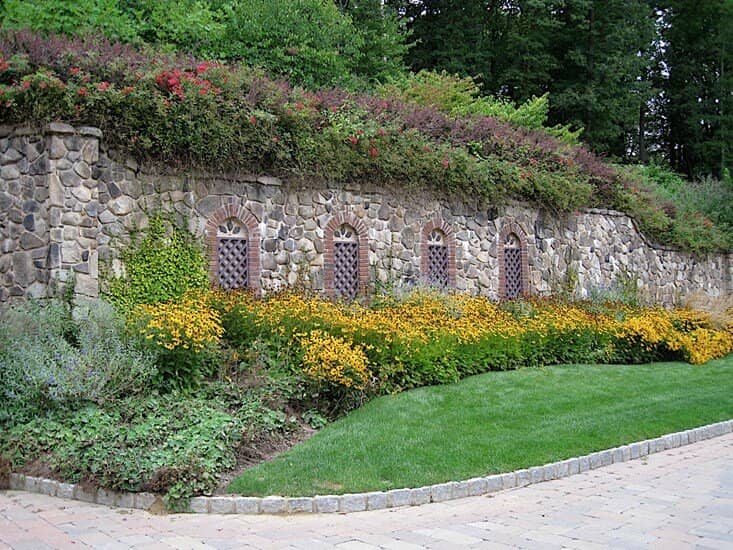
brick stone wall landscapingMasonry is commonly used for walls and buildings, either inside or outside. Brick and concrete block are the most common types of masonry in use and may be either weight-bearing or a veneer.  Stone, both natural and man-made, is being used more and more for decorative features inside, outside and in backyards. Patios, outdoor kitchens, outdoor fireplaces, fire pits, decorative walls, decking, retaining walls, landscaping or hardscaping, and lots of other amenity applications are common place now. Natural stone masonry can provide very aesthetically pleasing projects.

Advantages of Brick or Stone in Building

  • Bricks and stone masonry increases the thermal mass of a building
  • Brick and stone masonry is non-combustible and provides fire protection
  • Brick and stone masonry walls are more resistant to projectiles, such as debris from hurricanes or tornadoes.
  • Brick and stone masonry weathers well and needs much less maintenance over time than other natural materials.
  • No painting is necessary for brick or stone. Color and finish selections are almost endless.
  • Brick and stone masonry typically lasts longer than wood products
  • Brick and stone masonry has higher compressive strength compared to wood and other natural products.
  • Brick and blockwork walls provide excellent sound insulation.
  • Stone does not warp, swell, bend, splinter, or dent.
  • Brick and stone are versatile in their aesthetic appeal and can work well with other construction materials.
  • Use of brick and stone signals a strong sense of permanence and longevity.

Call Frisco Brick & Stone at (469) 981-7757 for a free quote on your brick or stone masonry project. Or, fill out the contact form to the right.