How to Build an Outdoor Fireplace That Lasts for Years
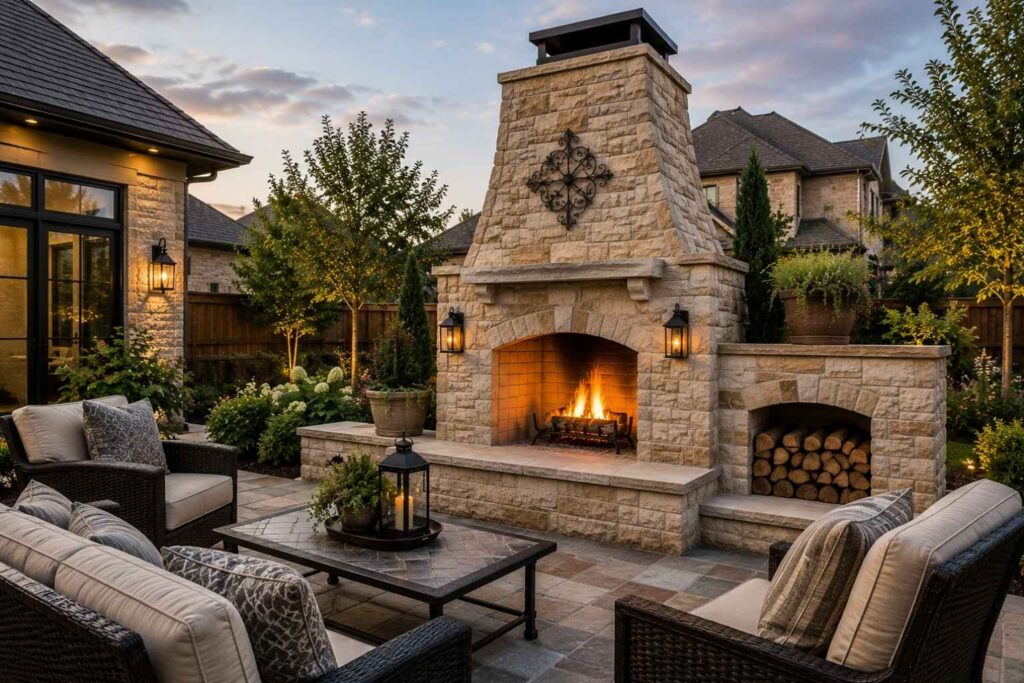
An outdoor fireplace looks simple. Stack some stone, add a chimney, light a fire. But a fireplace built without a good plan can crack, shift, or stop drawing smoke right within a few years. An outdoor fireplace that lasts needs the right spot, the right base, and the right materials from day one.
This article covers what really makes an outdoor fireplace hold up over time. This means where to place it, how to build the base, what materials to use, and how to protect it from weather.
Choosing the Right Location for Long-Term Outdoor Fireplace Stability
Where a fireplace sits matters as much as how it gets built.
Here’s what to check before you pick a spot:
- Pick ground that doesn’t hold water after rain. Standing water weakens the soil under a foundation over time.
- Stay away from trees with big root systems. Roots can shift soil and crack a foundation years after the build.
- Keep enough space between the fireplace and the house. Local fire code rules set the exact distance.
- Check which way the wind blows on the site. A fireplace facing the wrong way can push smoke right into a patio or home.
Frisco has clay-heavy soil. This soil expands and shrinks as moisture changes. Pick a bad spot on this kind of soil, and foundation problems often show up within just a few years.
Foundation Preparation That Prevents Cracking and Shifting Over Time
A fireplace foundation holds a lot of weight in a small space. Get this step wrong, and every problem after it traces back here.
Steps that keep a foundation stable for the long run:
- Dig below the frost line. Remove any loose or organic soil that won’t pack down right.
- Add a layer of packed gravel to help drainage under the footing.
- Pour a reinforced concrete footing sized for the full weight of the finished fireplace. Not just the base layer.
- Let the footing cure fully before starting any stone or brick work on top of it.
- Check that the footing is level before laying the first row of stone or brick.
Skip any of these steps, and cracking often shows up within the first two or three years. This happens even more in areas where the soil shifts with moisture.
Selecting Heat-Resistant Materials for Durable Fireplace Construction
Not every stone or brick can handle heat again and again. Pick the wrong material, and you’ll see cracking, flaking, or crumbling much sooner than you’d expect.
Materials worth choosing:
- Fire brick for the inside of the firebox. It’s built to handle direct, steady heat.
- Refractory mortar for joints inside the firebox. It expands and shrinks differently than regular mortar under heat.
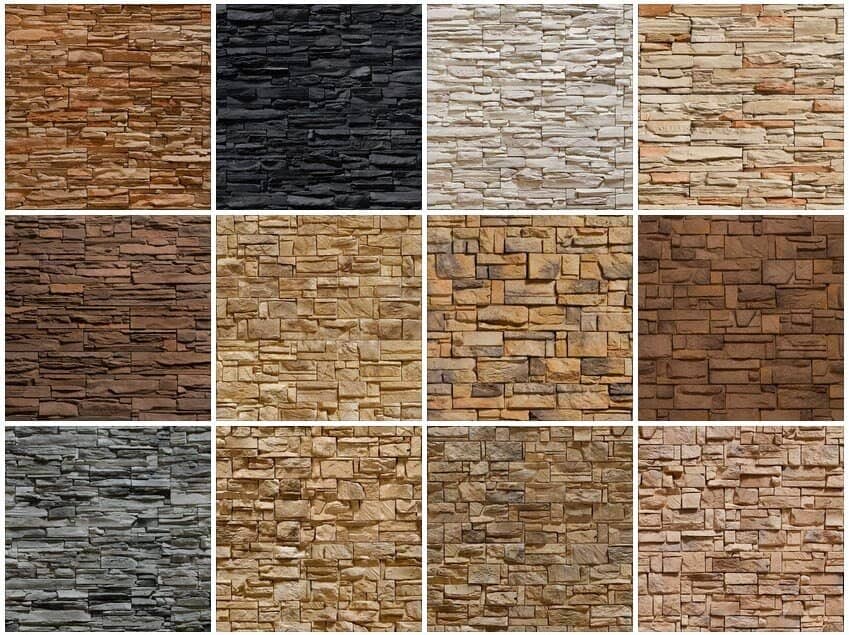
- Natural stone or manufactured stone veneer for the outside. Pick a type that resists soaking up moisture.
- Stainless steel or cast iron for any dampers, grates, or hardware exposed to heat and weather.
Regular mortar and brick can handle some heat. But years of high heat exposure will crack materials that weren’t built to take it.
Proper Chimney and Airflow Design for Safe Long-Term Performance
A fireplace that doesn’t draw smoke right isn’t just annoying. It shows a real design flaw. And that flaw only gets worse over time.
Key airflow points to get right:
- Size the flue opening correctly compared to the firebox opening. Follow standard masonry fireplace ratios.
- Build the chimney tall enough to create good draft. This matters more if nearby structures or trees could block airflow.
- Avoid tight turns or offsets in the flue path. These restrict airflow and cause more creosote buildup.
- Add a spark arrestor cap at the top of the chimney. This stops embers from escaping and keeps debris out of the flue.
A fireplace with poor airflow design tends to run into problems early. It often needs repairs that a well-built chimney would have avoided in the first place.
Weather Protection Strategies to Extend Outdoor Fireplace Lifespan
Outdoor fireplaces face weather that indoor fireplaces never deal with. That exposure is often what wears them down the fastest.
Ways to protect a fireplace over time:
- Apply a breathable masonry sealer to the outside stone or brick. This cuts water absorption without trapping moisture inside.
- Install a proper cap or cover on the chimney. This keeps rain and debris out of the flue when it’s not in use.
- Make sure the firebox can drain. Water shouldn’t pool and freeze inside during colder months.
- Check mortar joints every year. Fix small cracks before winter freeze and thaw cycles make them worse.
Frisco’s climate doesn’t see the harshest freeze and thaw cycles. But summer heat and the occasional winter freeze still stress masonry joints over time if they’re left unsealed and unchecked.
Frequently Asked Questions
How long should a well-built outdoor fireplace last?
A properly constructed outdoor fireplace with a solid foundation and heat-resistant materials can last several decades when maintained regularly.
Can I build an outdoor fireplace on any type of soil?
Not always. Expansive soils, such as clay-heavy soil common in parts of Texas, often require additional foundation design to prevent shifting and cracking over time.
What is the most common reason outdoor fireplaces crack early?
Early cracking is most often caused by poor foundation preparation, including insufficient depth, improper compaction, or lack of reinforcement in the footing.
Do I need a professional to design the chimney and flue?
Yes. Chimney and airflow design directly affect safety and performance, so it is strongly recommended to work with someone experienced in masonry fireplace construction.
How often should an outdoor fireplace be inspected for wear?
An annual inspection, ideally before colder seasons, helps identify small cracks or drainage issues early before they develop into more costly repairs.