
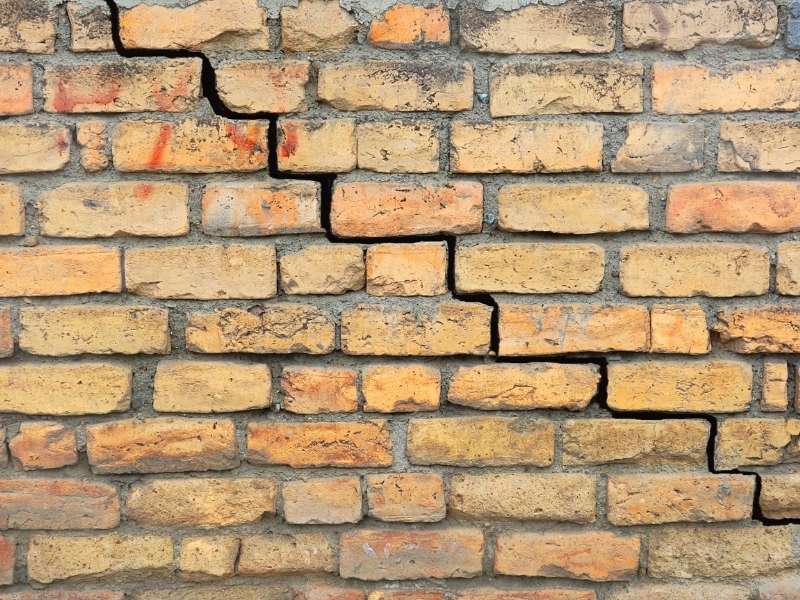
Not every crack is a problem, but some are early warnings. Knowing the pattern helps you decide whether to monitor it or call a masonry contractor. If you own a brick home or the surrounding area, photograph each crack, track how it changes and schedule an inspection when the signs below appear.
A small crack in a brick wall is easy to ignore. You notice it while carrying groceries or mowing the lawn, and you tell yourself you will deal with it later. Then a few months pass and the crack is longer, or a second one shows up near the window.
Common Crack Patterns Found in Exterior Brick Walls
The shape of a crack tells you a lot. Patterns often point to the cause, and the cause decides the repair.
Here are the patterns masonry contractors see most often:
- Hairline cracks in mortar joints. These are thin and follow the joint lines. They often come from normal shrinkage or aging mortar.
- Stair-step cracks. These run diagonally through the mortar joints in a staircase shape. They can suggest the wall or foundation has moved.
- Vertical cracks. These may appear at corners, near control joints or above and below openings.
- Horizontal cracks. These can signal pressure behind the wall, rusting metal ties or a failing lintel over a window or door.
- Cracks through the brick itself. These split the brick face instead of the mortar. They usually take more investigation than a joint crack.
- Spalling. The brick face flakes or pops off, often from trapped moisture.
Walk the entire exterior, not just the area that caught your eye. Check corners, windows, doors, garage openings and the base of the wall. A crack in one spot may connect to damage elsewhere.
How Moisture and Temperature Changes Affect Brick Masonry
Brick masonry moves. It expands when warm, shrinks when cool and absorbs and releases moisture. A well-built wall allows for that movement. A wall without enough room to move will crack.
Temperature swings stress mortar joints, especially on walls that take direct afternoon sun. Older mortar tends to be more brittle, so it cracks first. Missing or blocked expansion joints make the problem worse.
Moisture adds its own damage. Water enters through failing joints, gaps around windows or poor flashing, then sits inside the wall. In colder weather, that trapped water can freeze and expand, which can crack mortar and flake the brick face. White, powdery deposits called efflorescence show that water is moving through the masonry.
Soil plays a part too. Many North Texas lots have clay soil that swells when wet and shrinks when dry. That movement can affect a foundation, and the brick above it follows. How much it matters depends on the property, drainage and foundation design.
Frisco has seen heavy residential growth, so you may have a newer home. Settling in the first years is common, but do not assume every crack is normal. Have anything that grows looked at.
Signs That Brick Cracks Need Professional Evaluation
Many cracks are cosmetic. Some are not. These signs mean it is time to call.
Schedule an evaluation if you notice:
- Cracks that grow wider or longer over weeks or months
- Stair-step cracks, especially wider than a hairline
- Bricks that bulge, lean or sit out of line
- Gaps between the brick and window frames, doors or the foundation
- Loose, missing or spalled bricks
- Mortar that crumbles when touched
- Doors or windows that stick, or interior cracks near the same spot
- Water stains or damp spots inside, near the cracked area
Document the damage. Take dated photos with a coin or ruler next to each crack. Note any rain or temperature changes around the time you spotted it.
If you see signs of movement, a masonry contractor can describe the brickwork, but a structural engineer or foundation specialist may need to weigh in. Do not patch a moving wall and call it done.
What a Masonry Contractor Checks Before Recommending Repairs
A good contractor investigates first and quotes second. The goal is to find the cause, not just cover the crack.
Expect them to look at several things:
- Crack pattern and width. They will measure, photograph and compare to other areas of the wall.
- Mortar condition. They check whether joints are soft, powdery, eroded or failing.
- Brick condition. They look for spalling, cracked faces and signs of moisture damage.
- Flashing, lintels and wall ties. Rusted or failed components can push cracks into the wall.
- Expansion or control joints. They check whether the wall has room to move.
- Drainage and grading. They note where roof water, downspouts and soil slope send water.
- Surrounding masonry. Steps, a brick patio, a retaining wall or an outdoor fireplace may show related movement.
Ask them what they found and what they could not determine. Some conditions, especially foundation movement, need other specialists. Repair needs depend on the property, soil conditions, drainage, materials and the extent of the damage.
Choosing Appropriate Repair Methods for Cracked Exterior Brick
The right repair matches the cause. A method that works for aging mortar will not fix a wall that is still moving.
Common options include:
- Repointing. Failing mortar is removed and replaced with new mortar. It is the standard fix for deteriorated joints.
- Brick replacement. Damaged bricks are cut out and replaced. Matching older brick can take careful sourcing.
- Crack filling or sealing. Narrow, stable cracks may be filled to keep water out. This is not suited to cracks that are still moving.
- Expansion joint work. A contractor may add or restore joints so the wall can move without cracking.
- Lintel or tie repair. If metal parts have rusted, they may need replacement before the brick is repaired.
- Water and drainage fixes. Gutters, grading and flashing may need attention so the problem does not return.
Mortar choice matters. Hard modern mortar can damage softer, older brick, so ask how the contractor will match the mix to your wall. Compare bids by scope, not just price, and ask what causes they plan to address along with the cracks.
Frequently Asked Questions
What causes cracks in brick walls?
Common causes include temperature changes, moisture, aging mortar, missing expansion joints and soil or foundation movement. The crack pattern helps point to the cause. A contractor can confirm it.
Are brick cracks always serious?
No. Hairline mortar cracks are often cosmetic. Stair-step cracks, bulging brick, widening gaps and sticking doors suggest movement and need a closer look.
Can cracked brick be repaired without replacing the wall?
Often, yes. Repointing, replacing damaged bricks and sealing narrow stable cracks can restore a wall. The right method depends on the cause and the extent of the damage.
