Hiring a masonry contractor to plan and build the surround gives you a stable, heat-ready structure that works as well as it looks. A pizza oven can reach temperatures most backyard features never see. That heat doesn’t stay inside the dome. It moves into the structure around it, the countertop beside it, and anything built too close. A surround that isn’t designed for that heat can crack, stain, or pull apart within a few seasons.
This guide is for homeowners adding a pizza oven to a patio or outdoor kitchen. Builders and landscape designers coordinating these projects will find it useful too. A surround is the masonry enclosure, base, and counters built around the oven itself. Getting the layout, materials, and heat details right from the start saves costly repairs later.
Planning the Surround Layout for Cooking and Preparation Space
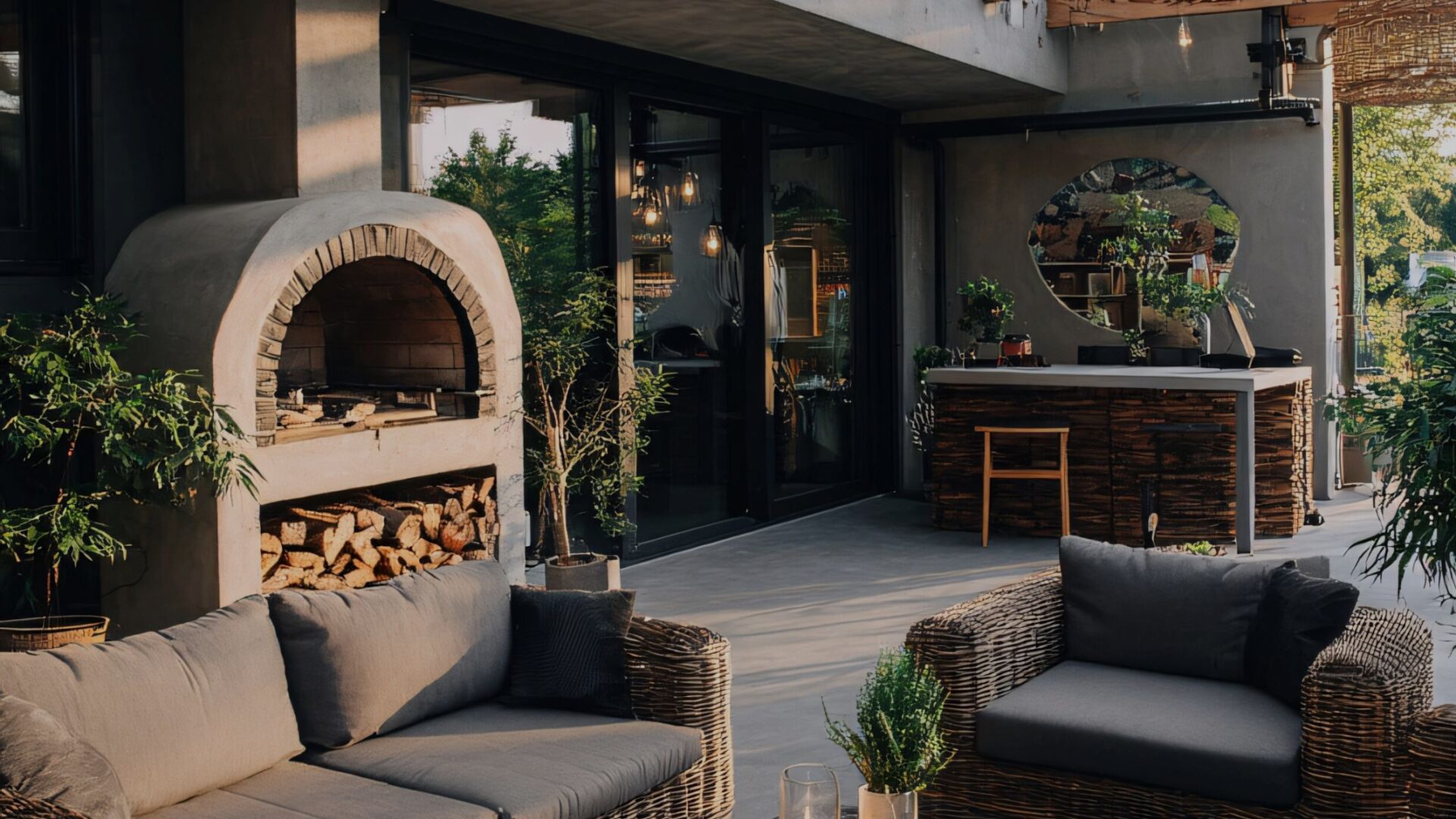
Start with how you’ll actually cook. Pizza moves fast, so you need landing space beside the oven opening for peels, trays, toppings, and finished pies. A cramped counter makes cooking awkward and pushes people too close to the heat. Plan prep space on at least one side, and think about where guests will stand while you work.
Placement matters just as much. Consider wind direction, smoke drift, and distance from the house, fences, trees, and seating areas. The oven opening should face a spot where the cook has room to work and smoke won’t blow into the dining area. If the oven will sit within an outdoor kitchen, plan how it connects to the grill, sink, and storage.
Discuss storage early. Many owners want a wood storage nook under the oven or nearby. That space needs to stay dry and be built with heat and fire safety in mind. Your contractor can suggest a layout that keeps wood handy without putting it at risk.
Choosing Heat-Appropriate Masonry Materials for a Pizza Oven Surround
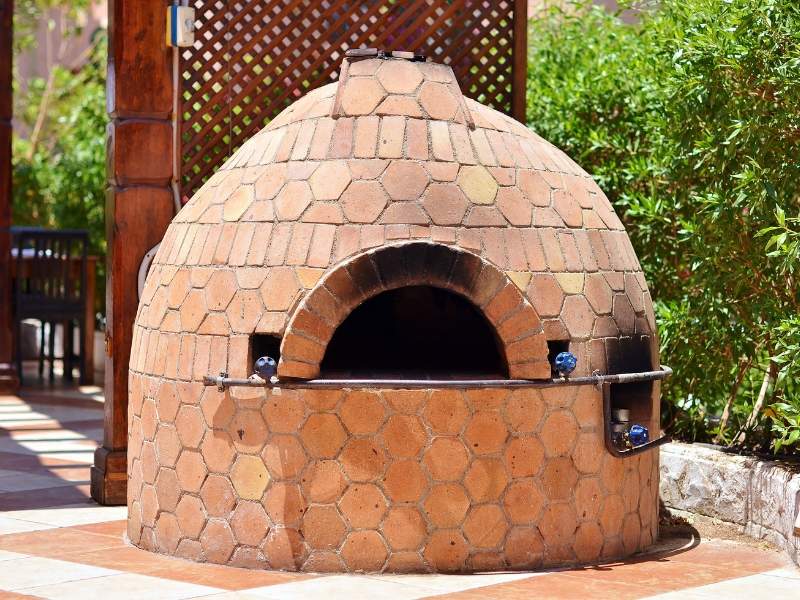
Different parts of the surround face very different temperatures. The oven floor and dome see direct fire, so they’re typically built with firebrick and refractory mortar, which are made to handle high heat. The outer surround usually doesn’t touch the flame directly. That gives you more freedom with brick, stone, or stucco finishes.
An insulation layer between the oven and the surround makes a big difference. It keeps heat inside the oven for better cooking and reduces heat moving into the outer masonry. Without it, the surround can get hot to the touch and may crack over time. Insulation products and methods vary, so follow the oven maker’s instructions and your contractor’s recommendations.
Brick and stone masonry both work well for the outer shell. Brick offers a classic look and clean lines, while stone brings natural texture. The choice can depend on your home’s style, existing patio or outdoor fireplace materials, maintenance preferences, and budget. Matching the surround to nearby brick or stone masonry helps the whole space feel connected.
How a Masonry Contractor Builds a Stable Oven Surround
A pizza oven and its surround are heavy. The structure needs a solid foundation that won’t settle or shift. That usually means a concrete footing or slab sized for the load, soil conditions, and local requirements. Building on an existing patio may or may not work, depending on how that slab was built and what it can carry.
Above the footing, the contractor builds the base walls, often from concrete block or brick. A reinforced hearth slab sits on top to support the oven floor. Each layer needs to be level and square so the oven sits evenly. Small errors at the base show up later as uneven floors or cracks in the dome or surround.
Here are questions worth asking before construction starts:
- What footing or slab will support the oven and surround
- Whether your existing patio can carry the added weight
- How the hearth slab will be reinforced
- Which materials will be used for the core, insulation, and finish
A contractor with oven experience should answer these clearly and explain how the build will handle heat and weight together.
Managing Heat Clearance and Ventilation Around the Pizza Oven
Clearance means the safe distance between the hot oven and anything that can burn or be damaged by heat. That includes wood framing, siding, roof overhangs, pergolas, and plants. Oven manufacturers usually list specific clearances, and local codes may apply as well. Follow both, and have your contractor confirm them before finalizing the layout.
Ventilation matters too. Wood-fired ovens produce smoke that needs a clear path out, often through a flue or chimney. Taller chimneys can help draw smoke up and away from people. If the oven sits under a covered area, venting becomes even more critical and may need extra review.
Enclosed surrounds can trap moisture and heat inside. Some designs include small vents to let moisture escape as the oven heats. That helps prevent cracking and steam buildup within the masonry. Ask your contractor how they’ll handle airflow for your specific oven.
Finishing Masonry Edges and Countertops for Outdoor Use
Countertops take heat, spills, and weather. Stone slabs, concrete, and brick are common choices, each with its own look and upkeep. Counters closest to the oven opening should handle heat from hot pans and peels. Ask whether your chosen countertop material needs sealing and how often.
Edge details affect comfort and durability. Rounded or eased edges are easier on hands and hips than sharp corners. A slight overhang helps shed water away from the masonry below. Proper slope keeps rain from pooling on the surface.
The base should drain well too. Make sure the patio around the surround slopes away from the structure. If the oven sits on brick pavers or stone pavers, check that the joints and base are in good shape. Water collecting at the foot of the surround can lead to staining and damage over time.
Frequently Asked Questions
Can I build a pizza oven surround on my existing patio?
Sometimes, but it depends on how the patio was built. Ovens and surrounds are heavy, and many patios aren’t designed for that load. A contractor should check the slab, base, and soil first. In many cases, a new footing is the safer choice.
What materials work best around a pizza oven?
Firebrick and refractory mortar are typically used where the fire touches. The outer surround can be brick, stone, or stucco over block. An insulation layer between the two helps control heat. Your contractor can match the finish to your patio and home.
How far should a pizza oven be from my house?
Clearance depends on the oven model, its venting, and local code. Manufacturers often list minimum distances to combustible materials. Covered patios and roof overhangs may need extra review. Confirm clearances with your contractor before choosing a location.
